

Do you do you Saint-Florent ?
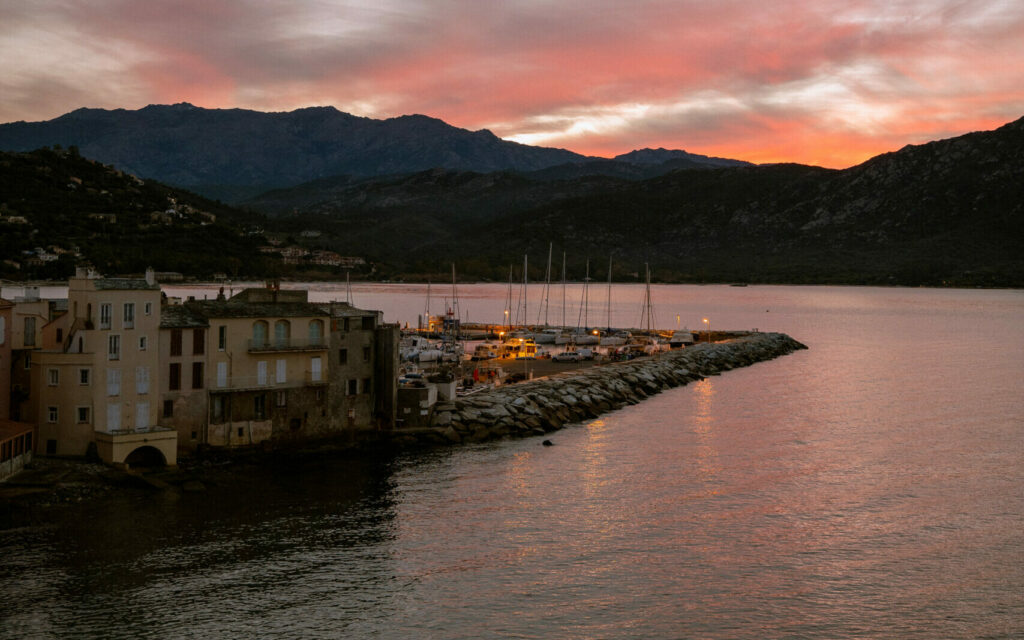
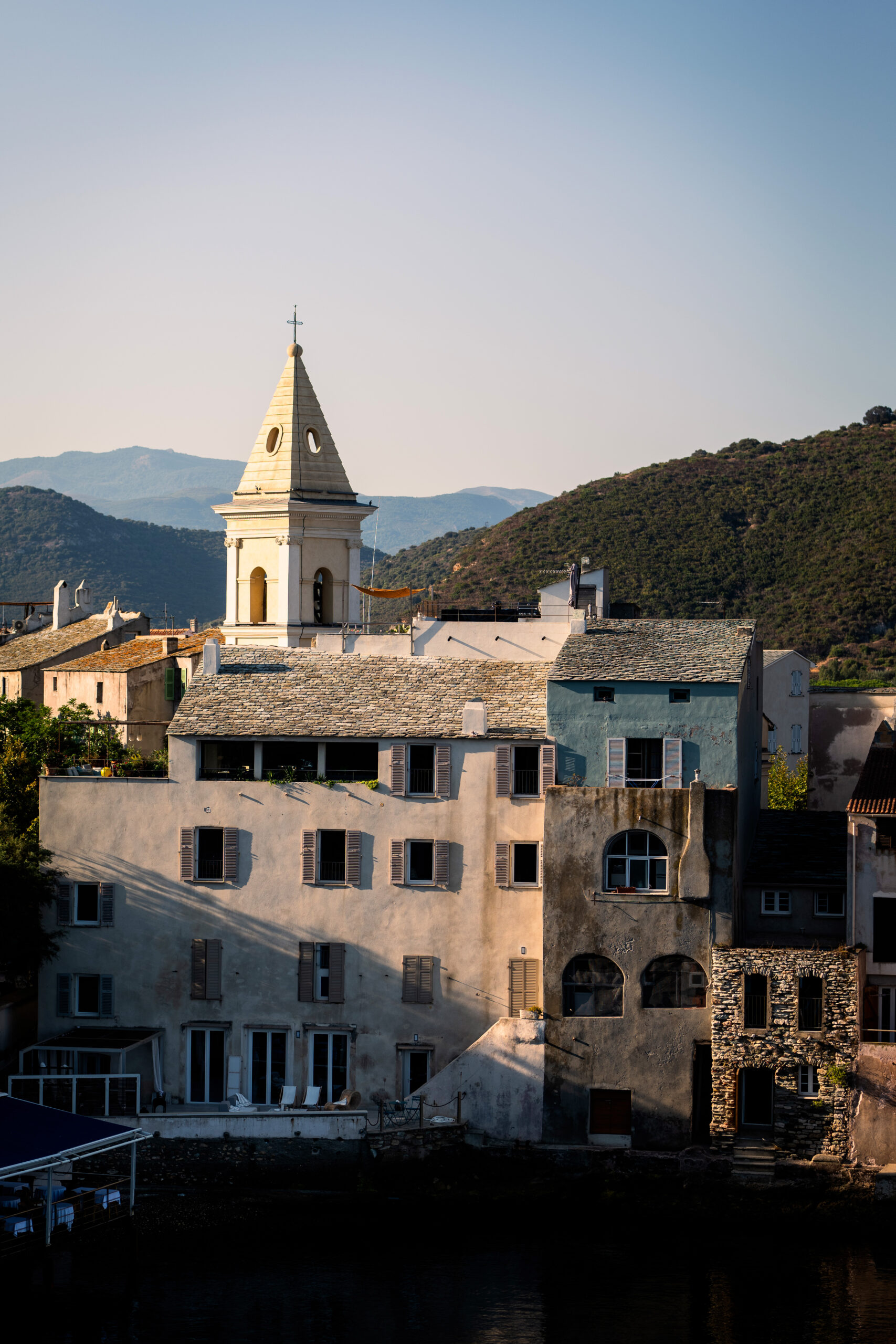
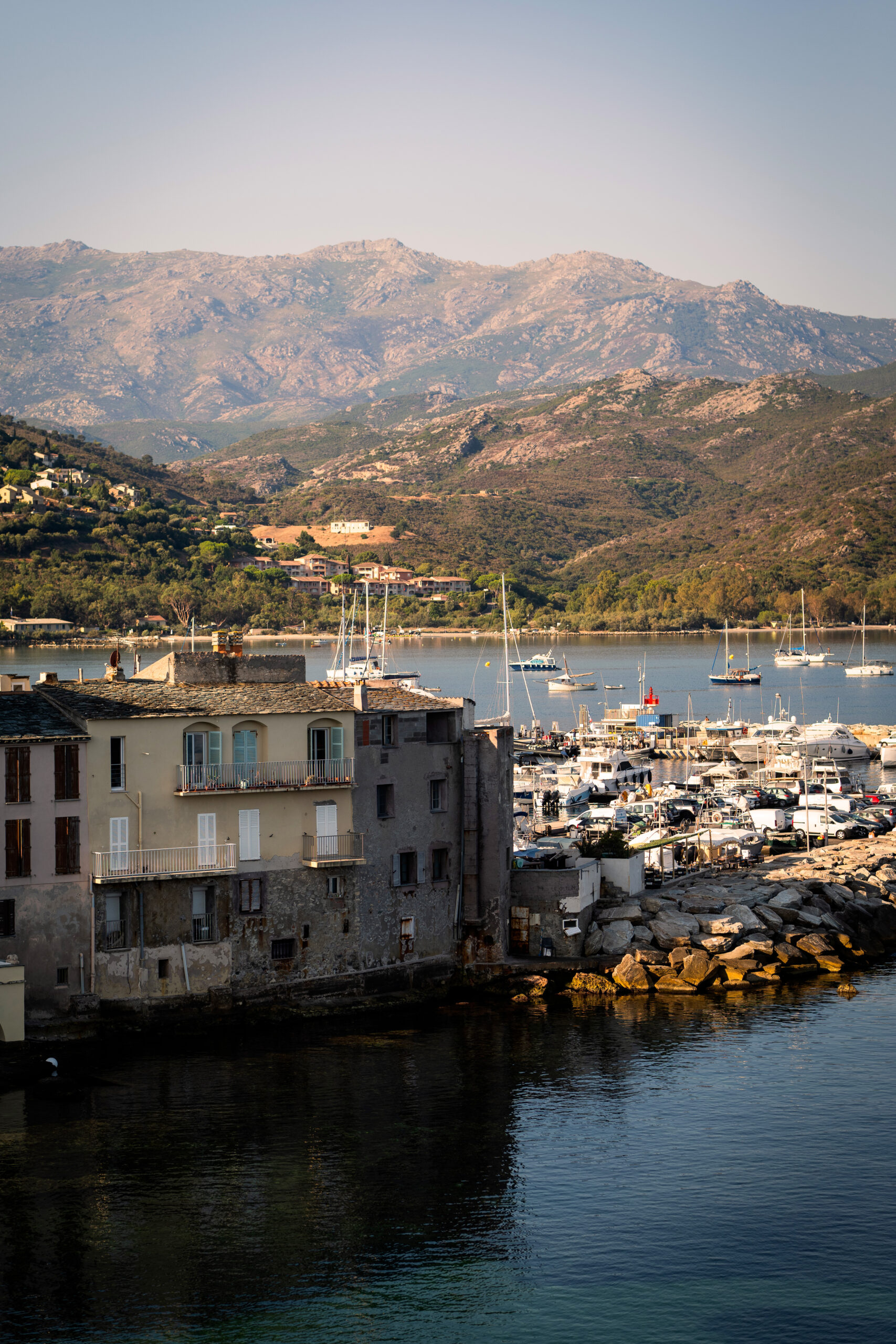
You could call it the little Saint-Tropez… A seaside resort with colourful façades, wild beaches and wines known around the world, Saint-Florent sits in a remarkably preserved setting. Here, no glitz, no glitter—just the raw, sincere beauty of a Corsican village.
You don’t “visit”; you stroll… and you fall in love!
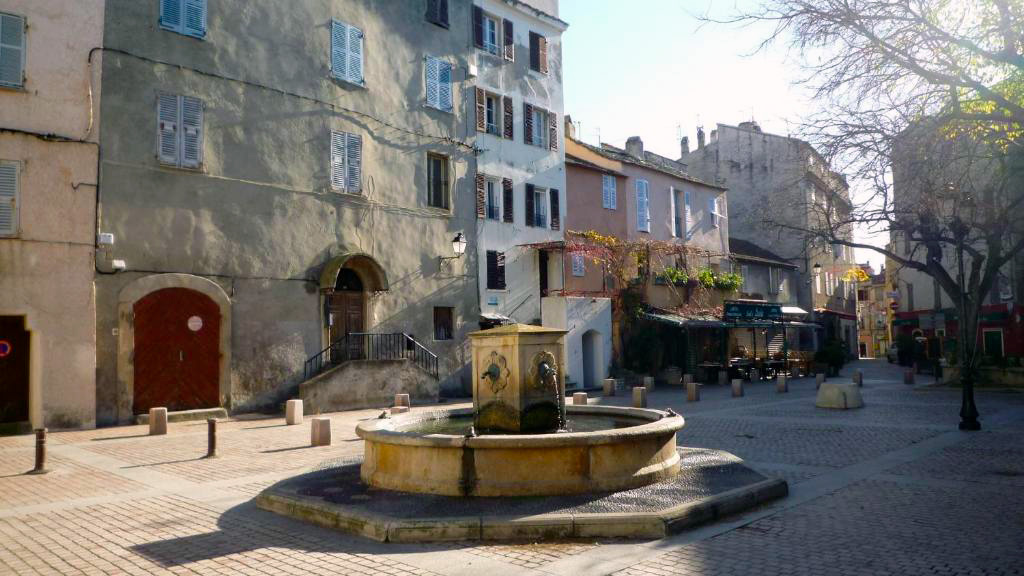
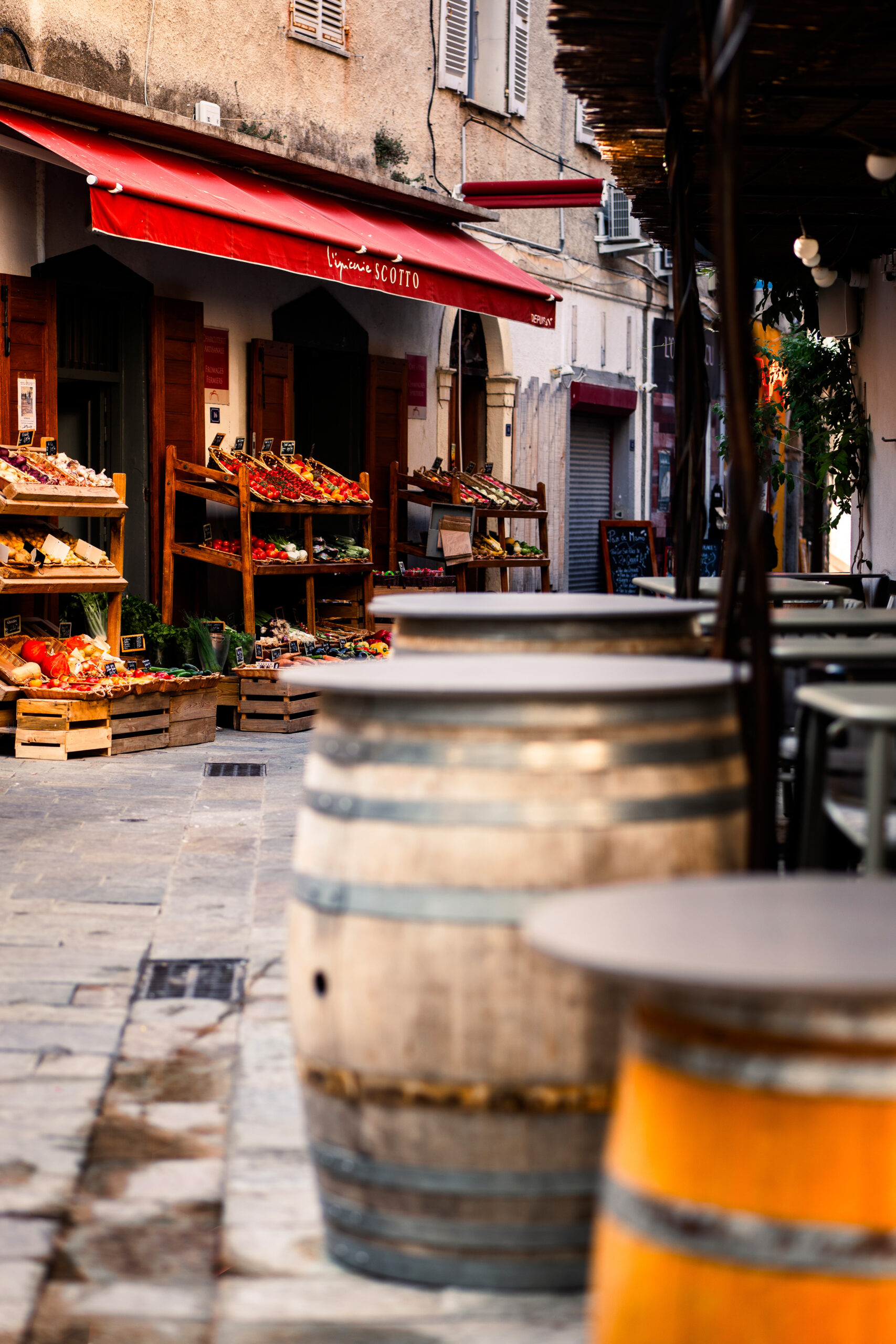
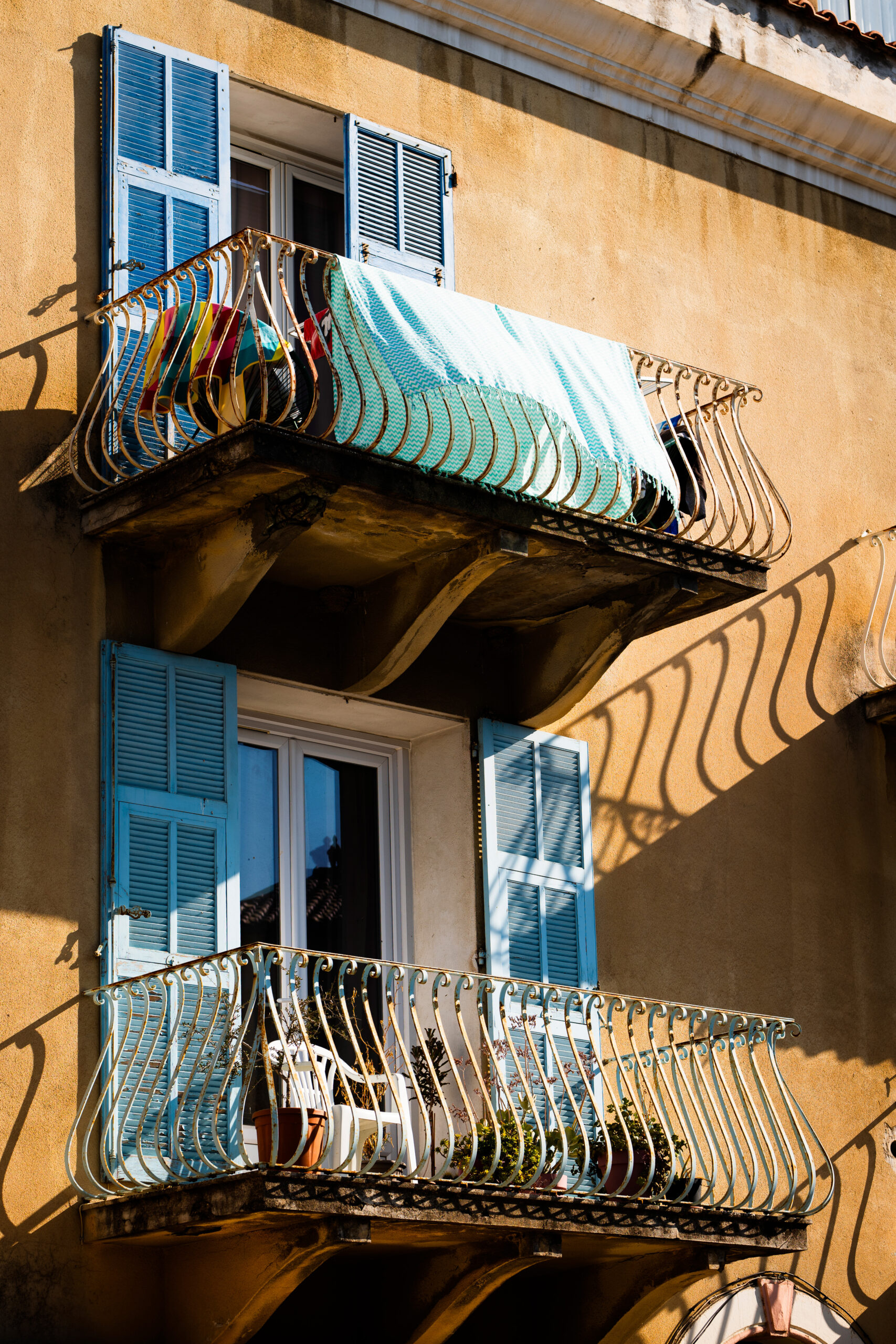
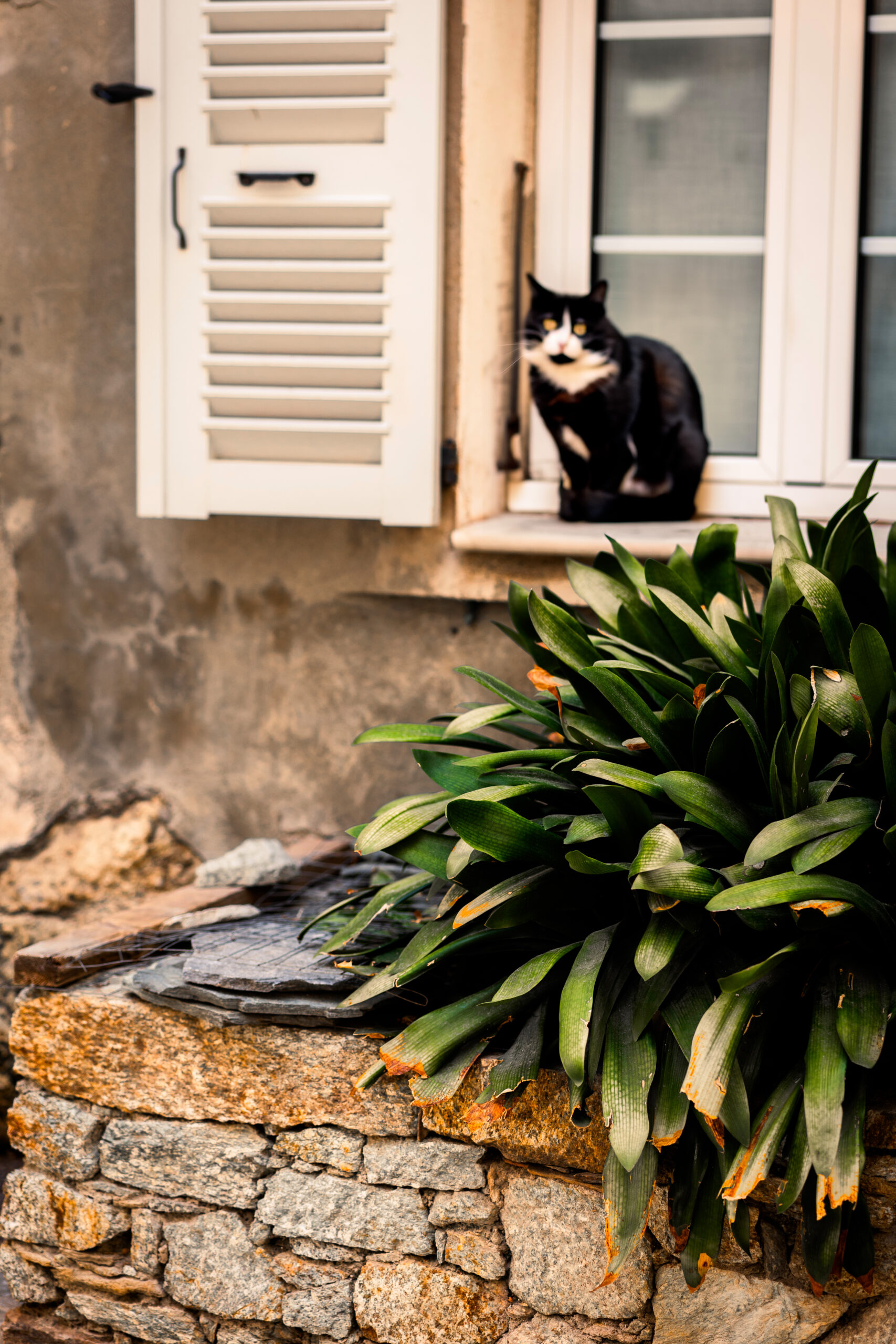
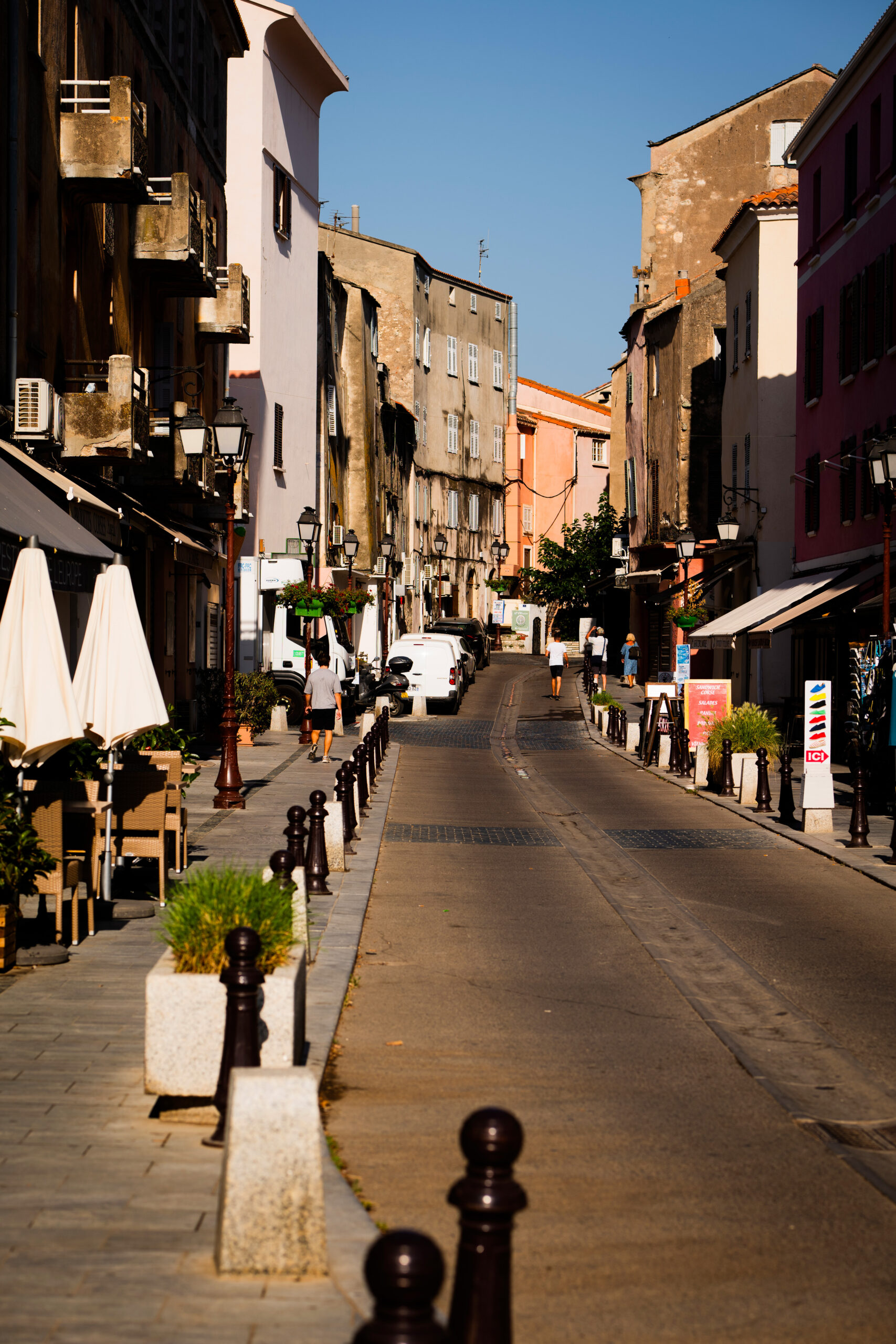
Some places win you over slowly, through details. And then there is Saint-Florent. The charm begins the moment you arrive, and you happily lose yourself in this small village made for wandering: paved alleyways, little squares adorned with oleanders, sun-faded façades with colourful shutters, and lazy cats stretched out on window ledges or dozing on stone steps… A cliché? Yes. And absolutely true.
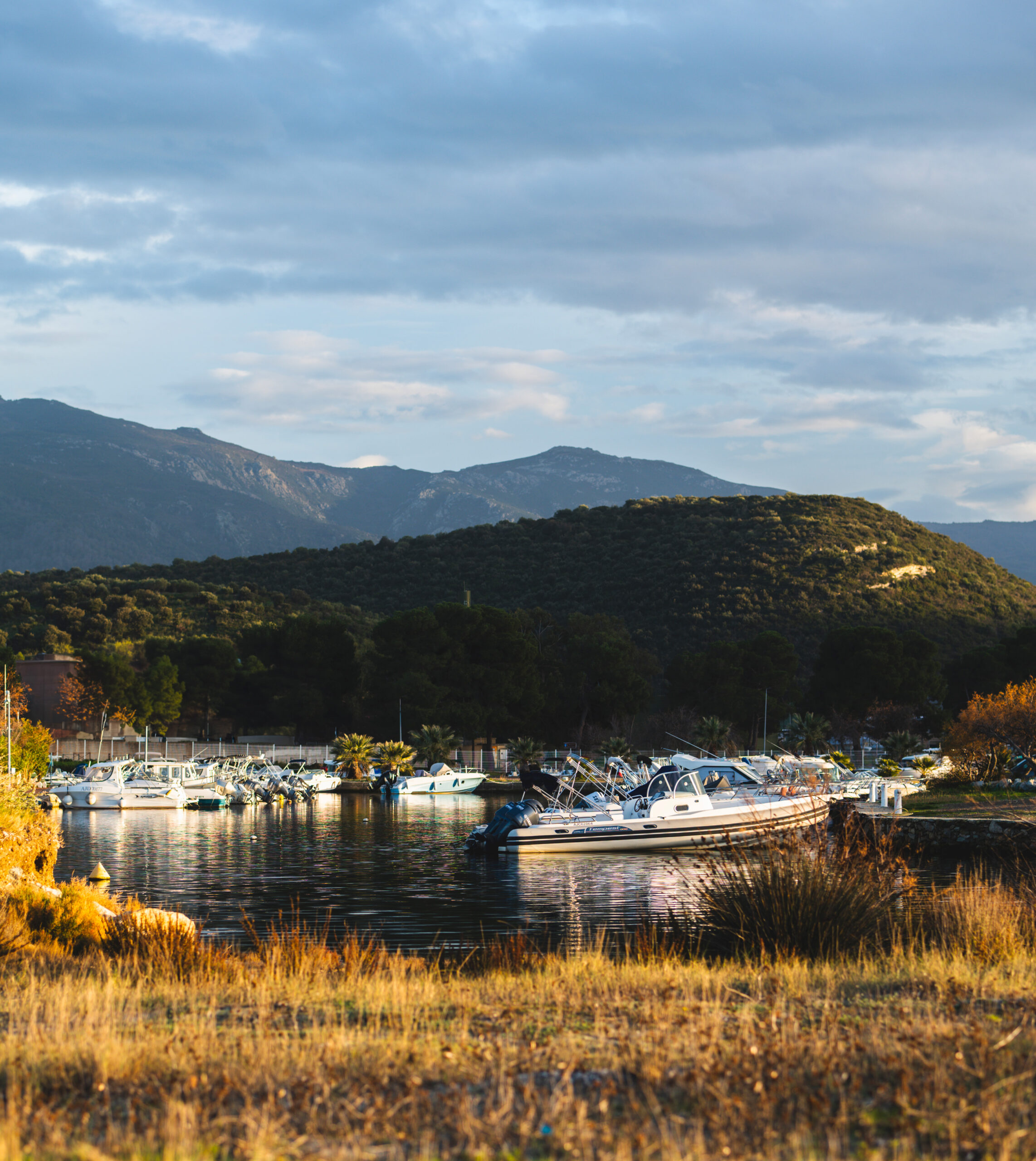
The walk often starts at the marina—the beating heart of the village—where modest fishing boats cross paths with elegant yachts you could easily imagine moored in Saint-Tropez. Early in the morning, early risers meet the last fishermen returning from the sea. During the day, visitors drift between cafés, restaurants, ice-cream parlours and boutiques in an easygoing summer atmosphere. And as evening falls, the quay comes alive to a different rhythm, with the night market and strollers drawn by the softness of Corsican evenings.
Continue your walk to Place Doria, also known as “Place de l’Ancienne Poste”, where the elegant parish church of Sainte-Anne stands alongside the charming “Frog Fountain”. In the height of summer, passers-by find welcome shade there and gladly pause for a refreshing moment.
Do not miss the Genoese citadel, perched above the village, offering panoramic views over the entire gulf. Listed as a historic monument in 1994 and built in 1439 at the same time as the town, its position was strategic for protecting the approaches to Bastia. Today, as you take in the view, you will likely hear the joyful shouts of children diving below the ramparts.
And let’s not forget the Nebbiu Cathedral, also called “Santa Maria Assunta”, located a little outside the village centre. In a Romanesque and Pisan style, its construction was completed in the 12th century.
Around Saint-Florent, the vineyards of Patrimonio are another local treasure. Here you can taste powerful, fragrant Corsican wines in family-run estates where people take the time to tell you about the land, the traditions and the harvest.
Saint-Florent, where stones resonate and voices rise
All summer long, Saint-Florent and its surroundings become a stage, and every corner a small theatre. People dance—sometimes awkwardly, often joyfully, but always freely.
Corsican songs, or “canti corsi”, are treasures of the oral tradition. They do not simply entertain; they tell stories. Passed down from generation to generation, they express the soul of the island: its joys, sorrows, beliefs and revolts. Among them are the paghjella (a sacred and secular three-part chant—bassa, secunda, terza), the voceru (an ancient improvised funeral lament) and shepherds’ songs (linked to rural and pastoral life).
Corsican polyphonic songs are fragments of soul passed down through generations. Under a church vault or out in the open air, these interwoven voices resonate through stone and give you goosebumps—almost as if, for a moment, you understand the very heart of Corsica.
And in July, the Guitar Festival in Patrimonio takes place in a spectacular natural setting facing the Nebbiu mountains. Its programme is rich and varied—jazz, blues, flamenco, classical, rock and world music. Internationally renowned artists share the stage with emerging talents and Corsican musicians. The atmosphere is intimate, festive and deeply rooted in local culture.
Between enchanting notes, the scents of the maquis and the flavours of the wines, it is a truly sensory experience.
And finally… why do we fall in love with Saint-Florent?
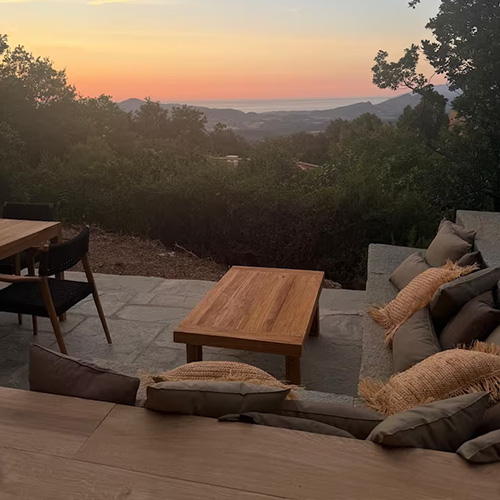
Because Saint-Florent is neither too small nor too big. Because it has everything you need to get away from it all, but nothing excessive that detracts from its charm. Because here, people live outdoors, talk to each other and forget about the time. Because the sun is gentle, the sea is always close by, and time stands still. And because it’s a place that feels a little more like home with every visit.